English| EUR
Suggested for you
More currencies
Choose a language
Dog sledding in Yellowknife sits at the intersection of Arctic tradition and accessible adventure tourism. The city's kennels operate standard tours at published rates, with pricing shaped by tour length, group size, and seasonal demand. Understanding the cost structure helps you plan accurately for one of the North's signature winter experiences.
Quick answer
This rate applies year-round during operating hours at established kennels like Beck's, though private tours and extended expeditions carry different pricing. Most tours run between one and three hours, with the base rate covering the core sledding experience.
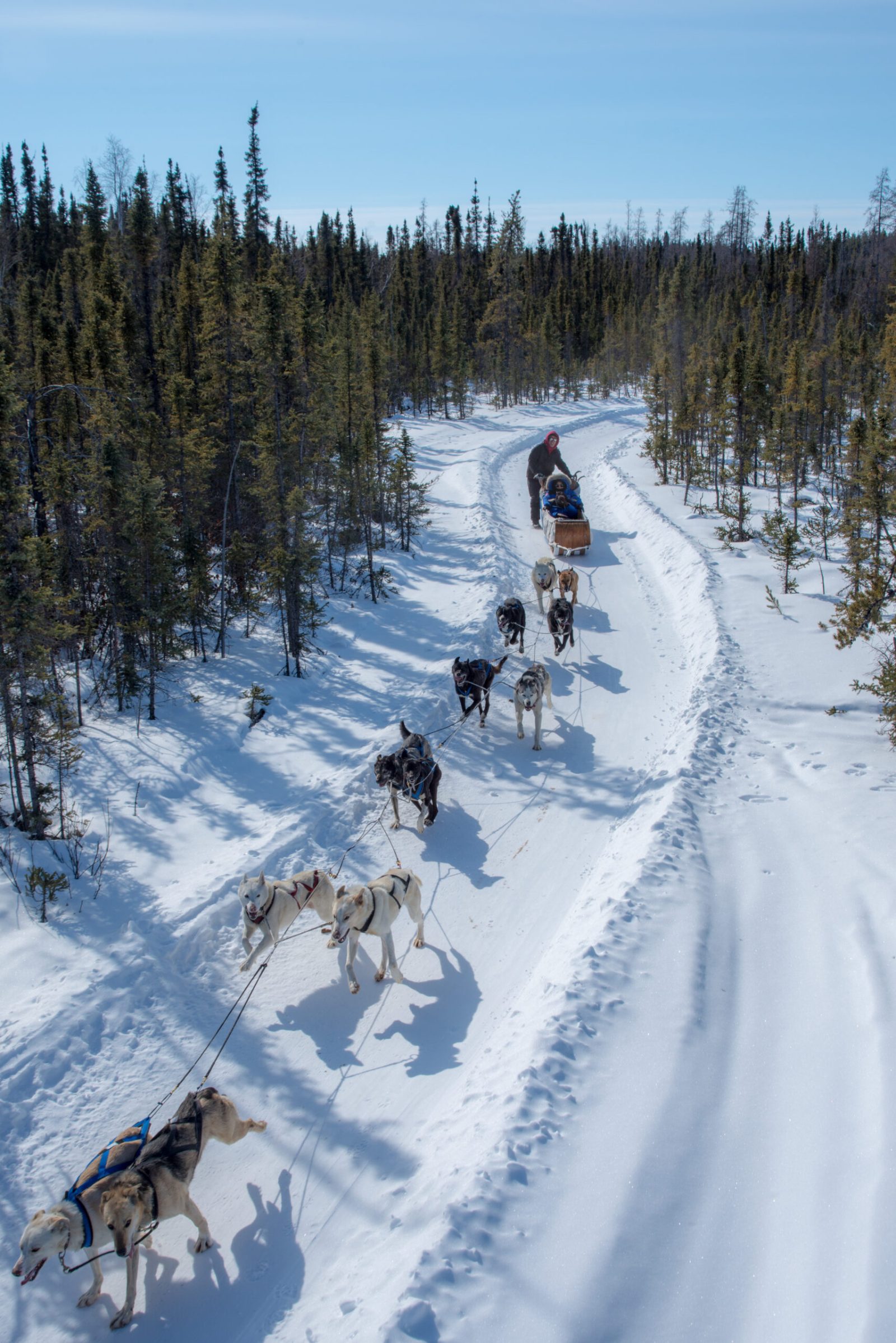
The dog sledding Yellowknife price reflects the real costs of maintaining working sled teams in sub-Arctic conditions—feed, veterinary care, trail grooming, and the specialized knowledge required to match dogs to harness positions and read trail snow. A husky eats more than two kilograms of high-protein food daily during the racing season, and a competitive team of twelve dogs represents a significant year-round investment before a single tourist books a ride. The 135 CAD rate covers what matters: time behind a working team on groomed trails radiating from the kennel, instruction from mushers who race competitively in regional and territorial events, and the loan of insulated boots and mitts rated to negative forty. Tours typically depart between 09:00 and 16:00, maximizing the limited daylight hours of the northern winter while dogs are most active. The base tour duration spans ninety minutes to two hours, enough time to learn basic commands, experience the silence of a team moving through boreal forest, and understand why the bond between musher and lead dog determines whether a sled reaches its destination. Extended wilderness expeditions and private charters operate on separate pricing, often requiring advance booking during the aurora season when demand peaks. Yellowknife's position below the Arctic Circle but above the treeline creates ideal dog sledding terrain—rolling boreal forest, frozen lakes with sight lines stretching five kilometers, and consistent snow cover from November through April. The pricing reflects this reliable season rather than the compressed windows of more southern operations. Mushers here work with Alaskan huskies bred for endurance rather than speed, dogs whose lineage traces to freight teams that once supplied traplines and mining camps across the Territories. The kennel at Beck's maintains roughly forty dogs, rotating teams through training runs and tourist outings to keep every animal sharp and socialized. Timing a tour for late February or March captures the season's sweet spot: temperatures moderate into the minus-twenties, daylight extends past 17:00, and trails remain firm without the overflow ice that plagues early winter lakes. The dog sledding Yellowknife price guide remains consistent across these months, though booking ahead becomes critical as aurora tourism draws international visitors willing to pair northern lights viewing with daytime sled tours. The cost structure excludes meals, transportation to the kennel site on the Ingraham Trail, and photography packages, keeping the base rate focused on the sledding itself. Visitors arriving by rental vehicle from downtown Yellowknife face a twenty-minute drive on Highway 4, a paved route maintained year-round. The kennel's location outside city limits provides immediate access to wilderness trail systems without the logistics of remote fly-in camps, a geographic advantage reflected in the accessible pricing compared to backcountry expeditions requiring charter flights or snowmobile staging.
“A husky eats more than two kilograms of high-protein food daily during the racing season, and a competitive team of twelve dogs represents a significant year-round investment before a single tourist books a ride.”
The best arrival window for dog sledding in Yellowknife is 09:00–16:00. This period provides optimal daylight for visibility and ensures sufficient time for dog interaction.
Clear skies, -20°C to -30°C
Longer daylight hours provide the best conditions for sledding.
Mild, -5°C to -15°C
Trails are well-established and temperatures are comfortable for outdoor activity.
—
Arriving during these hours allows for a quieter experience with the kennel staff and dogs.
Verdict: The optimal window for visiting is between 09:00 and 16:00 during the months of February or March.
Prepare for a cold-weather activity that demands advance booking and proper gear.
Everything you need to know about dog sledding yellowknife price
While various local providers offer different experiences, the standard dog sledding tour in Yellowknife is widely recognized for its consistent pricing structure. We focus on providing information for the core tour experience found at Beck's Kennels.
For the most reliable information regarding the dog sledding yellowknife price, always check the official provider website. Third-party sites may not reflect the current base rate of 135 CAD.
Booking policies are determined by the kennel management to secure your spot. It is recommended to visit their official site to understand their specific reservation and payment procedures.